
Potato Grading Machine: Enhancing Efficiency and Quality in Modern Potato Processing
Potato Grading Machine: Enhancing Efficiency and Quality in Modern Potato Processing
Introduction
Potatoes are among the most widely cultivated and consumed crops worldwide. From fresh market sales to food processing industries, the quality and uniformity of potatoes play a crucial role in determining their market value. Manual sorting and grading of potatoes can be time-consuming, labor-intensive, and prone to errors. This is where a Potato Grading Machine becomes an essential solution for farmers, potato traders, cold storage facilities, and food processing industries.
A potato grading machine is designed to sort potatoes according to size, weight, and quality, ensuring uniformity and consistency in the final product. By automating the grading process, businesses can improve productivity, reduce labor costs, and increase profitability.
What is a Potato Grading Machine?
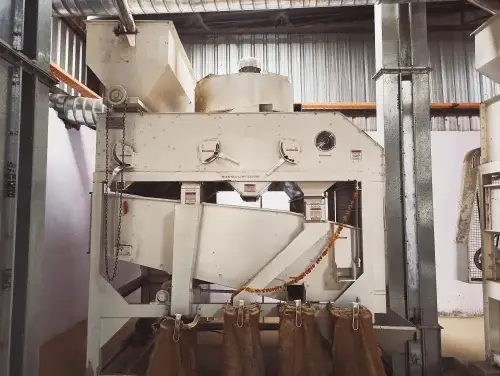
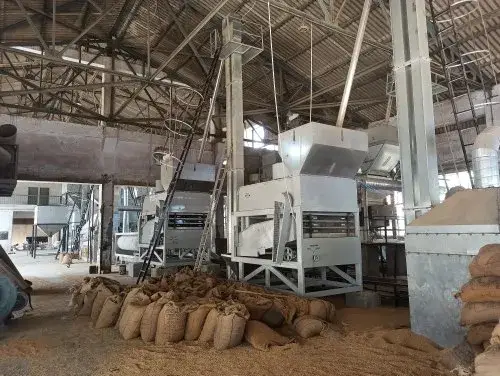
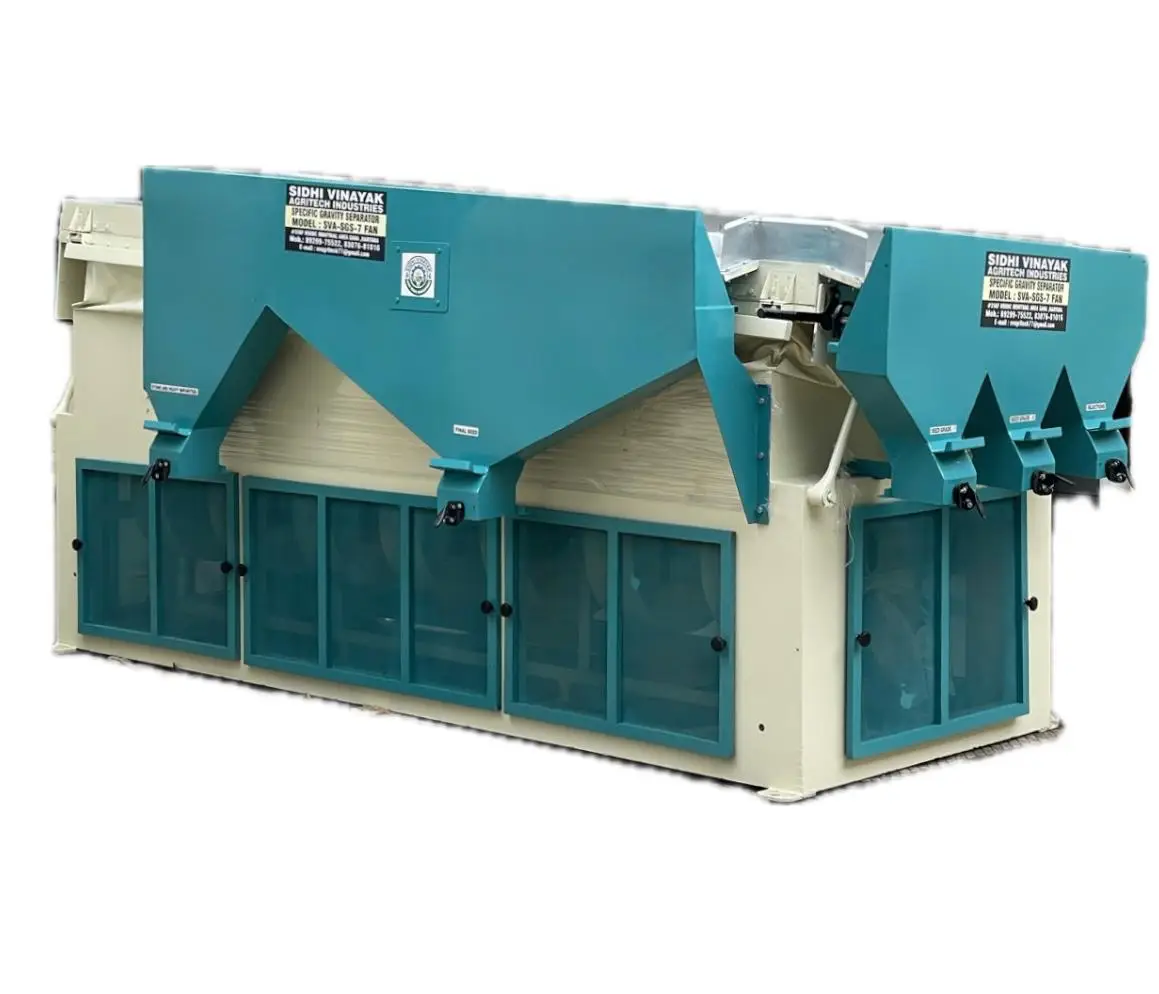
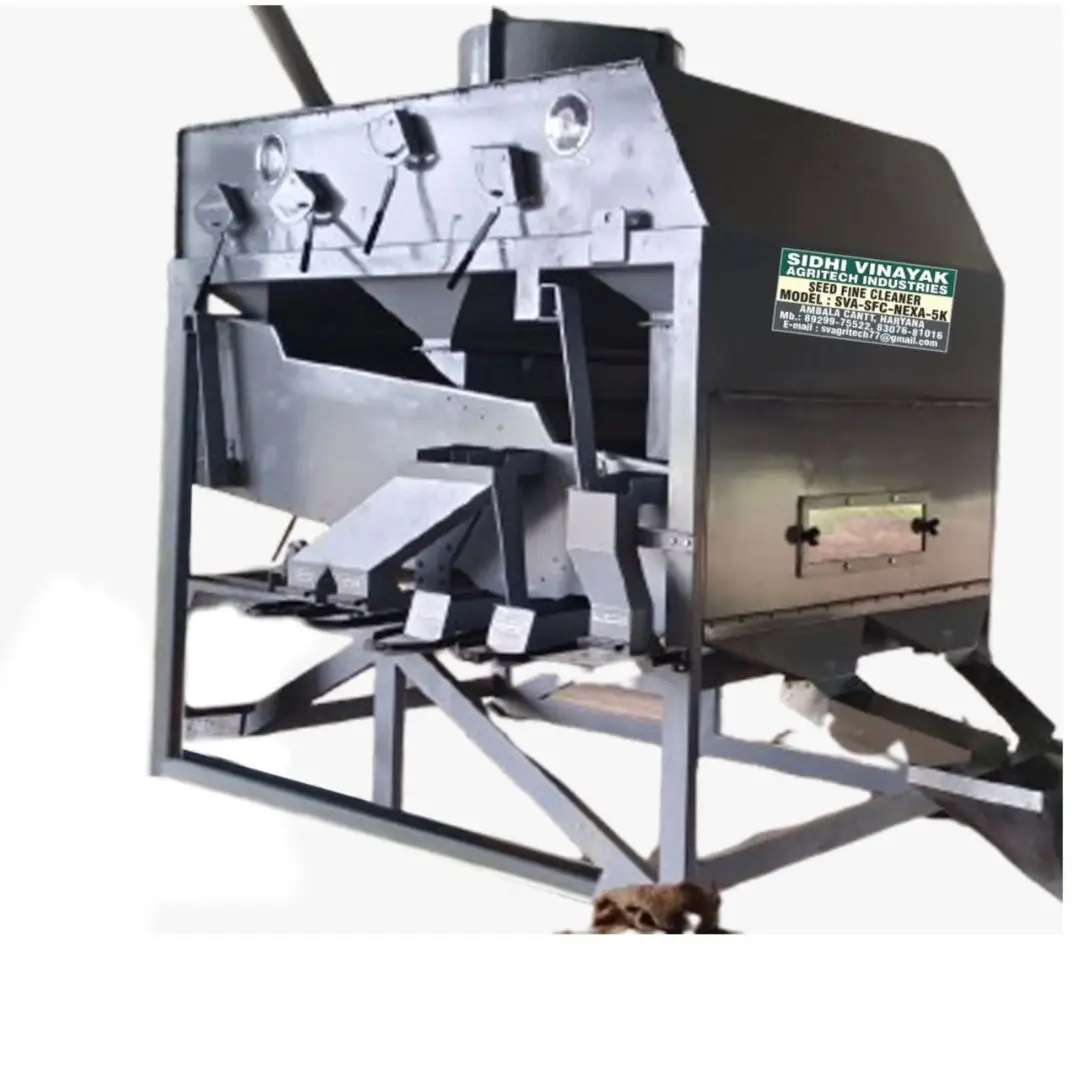
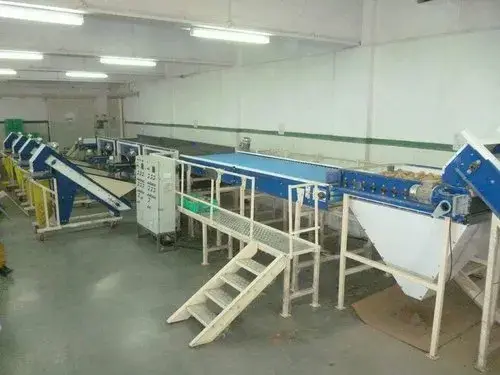
A Potato Grading Machine is an agricultural processing machine used to separate potatoes into different grades based on their size and diameter. The machine uses specially designed rollers, screens, or conveyor systems to accurately classify potatoes into multiple categories.
These graded potatoes can then be used for:
Fresh market distribution
Potato chip manufacturing
French fry production
Seed potato selection
Export packaging
Food processing industries
The machine helps maintain quality standards while increasing processing efficiency.
Why Potato Grading is Important
Potato grading is a critical step in post-harvest handling. Different markets and industries require potatoes of specific sizes and quality standards.
Benefits of potato grading include:
Uniform product appearance
Better market pricing
Reduced wastage
Improved customer satisfaction
Easier packaging and transportation
Higher processing efficiency
Proper grading ensures that potatoes meet buyer requirements and industry specifications.
Working Principle of a Potato Grading Machine
The potato grading machine operates through a simple yet highly effective process.
Feeding
Freshly harvested potatoes are loaded into the machine through a feeding hopper or conveyor system.
Separation
The potatoes move through grading rollers or screens designed with varying gaps. Smaller potatoes pass through earlier sections, while larger potatoes continue to subsequent grading zones.
Classification
The machine separates potatoes into different size categories such as:
Small potatoes
Medium potatoes
Large potatoes
Extra-large potatoes
Collection
Each grade is collected separately through designated outlets or collection bins for packaging and further processing.
This automated system ensures accurate and consistent grading.
Key Features of a Potato Grading Machine
Modern potato grading machines offer several advanced features:
High Grading Accuracy
Ensures precise separation based on size and weight.
Gentle Handling
Prevents damage and bruising during the grading process.
Adjustable Grading Sizes
Allows customization according to market requirements.
High Processing Capacity
Capable of grading large quantities of potatoes in a short time.
Durable Construction
Manufactured using high-quality materials for long service life.
Low Maintenance
Designed for easy cleaning and maintenance.
Energy Efficient
Consumes minimal power while delivering high productivity.
Benefits of Using a Potato Grading Machine
1. Increased Productivity
Automated grading significantly increases processing speed compared to manual sorting.
2. Reduced Labor Costs
The machine minimizes dependence on manual labor, reducing operational expenses.
3. Improved Product Quality
Accurate grading ensures uniform potato sizes and better presentation.
4. Higher Market Value
Uniformly graded potatoes attract better prices in domestic and export markets.
5. Reduced Post-Harvest Losses
Gentle handling minimizes physical damage and wastage.
6. Better Inventory Management
Graded potatoes are easier to package, store, and transport.
7. Enhanced Customer Satisfaction
Consistent quality helps build trust among buyers and processors.
Applications of Potato Grading Machines
Potato grading machines are widely used in various sectors, including:
Potato Farms
For post-harvest grading and preparation for market distribution.
Seed Production Units
To select uniform seed potatoes for improved crop performance.
Food Processing Industries
For potato chips, French fries, and frozen food production.
Cold Storage Facilities
For organized storage and inventory management.
Agricultural Cooperatives
For bulk grading and marketing of potatoes.
Export Houses
To meet international quality and size standards.
Types of Potato Grading Machines
Roller Type Potato Grader
Uses rotating rollers to separate potatoes based on diameter.
Screen Type Potato Grader
Utilizes perforated screens with different hole sizes for grading.
Automatic Potato Grader
Equipped with advanced automation systems for high-volume operations.
Multi-Stage Potato Grader
Separates potatoes into multiple size categories simultaneously.
The choice of machine depends on processing capacity and grading requirements.
Factors to Consider When Choosing a Potato Grading Machine
Before purchasing a potato grader, consider the following factors:
Processing capacity
Number of grading sizes required
Machine durability
Ease of maintenance
Power consumption
Automation features
After-sales support
Budget and return on investment
Selecting the right machine ensures long-term efficiency and profitability.
Future of Potato Grading Technology
The agricultural processing industry is rapidly adopting advanced technologies such as:
AI-based grading systems
Optical sorting technology
Automated quality inspection
Smart monitoring systems
These innovations further improve grading accuracy, reduce human intervention, and enhance productivity.
Conclusion
A Potato Grading Machine is an indispensable tool for modern potato processing operations. By providing accurate size classification, improving efficiency, and reducing labor costs, these machines help farmers, traders, and processors maximize profitability while maintaining high-quality standards.
As demand for uniform and premium-quality potatoes continues to grow, investing in a reliable potato grading machine is a smart decision for agricultural businesses. Modern grading technology not only improves operational efficiency but also strengthens competitiveness in domestic and international markets.
For high-performance potato grading solutions, businesses should choose advanced grading machines that offer accuracy, durability, and long-term value.