
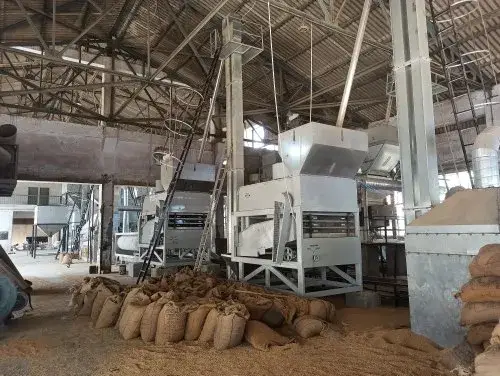
Complete Guide to Seed Cleaning and Grading Process
Complete Guide to Seed Cleaning and Grading Process
Introduction
Seed quality is one of the most important factors influencing crop productivity, germination rates, and overall agricultural success. Farmers and seed producers invest heavily in obtaining high-quality seeds because healthy and uniform seeds lead to better crop establishment and higher yields. However, harvested seeds often contain impurities such as dust, straw, stones, damaged seeds, weed seeds, and other foreign materials. This is where the seed cleaning and grading process becomes essential.
Seed cleaning and grading are critical operations in modern agriculture and seed processing industries. These processes ensure that only high-quality seeds reach farmers, improving crop performance and profitability. With advanced seed processing equipment, agricultural businesses can achieve superior seed quality while reducing wastage and operational costs.
In this comprehensive guide, we will explore the seed cleaning and grading process, its importance, machinery involved, benefits, and best practices.
What is Seed Cleaning?
Seed cleaning is the process of removing unwanted materials and impurities from harvested seeds. These impurities may include:
Dust and dirt particles
Straw and chaff
Broken or damaged seeds
Weed seeds
Stones and sand particles
Foreign matter
The primary objective of seed cleaning is to improve seed purity and prepare the seeds for grading, treatment, packaging, and storage.
Importance of Seed Cleaning
Seed cleaning offers several advantages:
Improves seed purity and quality
Enhances germination percentage
Reduces disease contamination
Increases market value of seeds
Improves storage life
Ensures compliance with seed certification standards
Without proper cleaning, impurities can affect seed performance and reduce crop productivity.
What is Seed Grading?
Seed grading is the process of separating seeds based on physical characteristics such as size, shape, weight, and density. After cleaning, seeds are graded to ensure uniformity and quality.
The purpose of grading is to select seeds with the highest potential for germination and crop establishment.
Importance of Seed Grading
Benefits of seed grading include:
Uniform seed size for precise sowing
Improved germination rates
Better crop stand establishment
Enhanced market acceptance
Higher seed value
Reduced seed wastage
Graded seeds provide farmers with consistency, leading to improved field performance.
Seed Cleaning and Grading Process: Step-by-Step
1. Pre-Cleaning Stage
The first stage involves removing large and lightweight impurities from the harvested seed lot.
Common impurities removed include:
Stalks
Leaves
Straw
Large debris
Machines such as pre-cleaners use air aspiration and screens to separate unwanted materials.
2. Air Screening Cleaning
Air-screen cleaners are among the most widely used machines in seed processing plants.
The machine uses a combination of:
Airflow systems
Vibrating screens
Sieves
This process removes:
Dust particles
Broken seeds
Small foreign materials
Oversized impurities
Air-screen cleaning ensures that only properly sized seeds move forward for further processing.
3. Gravity Separation
Gravity separators are used to separate seeds based on density differences.
The machine effectively removes:
Immature seeds
Damaged seeds
Insect-infested seeds
Low-density particles
Heavier and healthier seeds are separated from lighter, poor-quality seeds, resulting in improved seed quality.
4. Seed Grading
After cleaning and density separation, seeds undergo grading.
Grading machines classify seeds according to:
Length
Width
Thickness
Weight
Uniform seed size ensures better planting accuracy and crop emergence.
5. Indented Cylinder Separation
Indented cylinder separators remove seeds that differ in length from the desired crop seed.
Applications include:
Wheat seed processing
Paddy seed processing
Pulse seed processing
This step improves purity and consistency.
6. Color Sorting (Optional)
Modern seed processing facilities may incorporate color sorters.
Color sorting technology removes:
Discolored seeds
Diseased seeds
Defective seeds
Foreign materials
Optical sensors identify and eject unwanted particles with high precision.
7. Seed Treatment
Before packaging, seeds are often treated with fungicides, insecticides, or biological agents.
Benefits include:
Disease protection
Enhanced germination
Improved seedling vigor
Extended storage life
Seed treatment adds value and improves field performance.
8. Packaging and Storage
The final processed seeds are packaged and stored under controlled conditions.
Proper storage ensures:
Moisture control
Germination preservation
Pest protection
Longer shelf life
Quality packaging helps maintain seed integrity during transportation and storage.
Machinery Used in Seed Cleaning and Grading
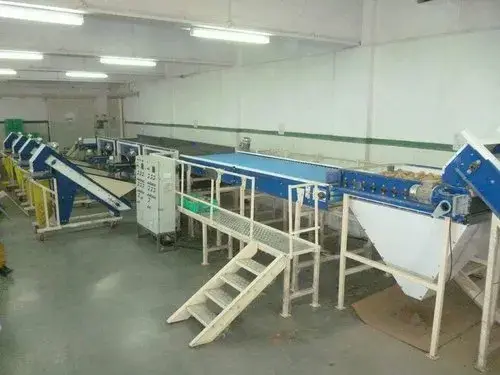
Modern seed processing plants utilize various machines for efficient operations.
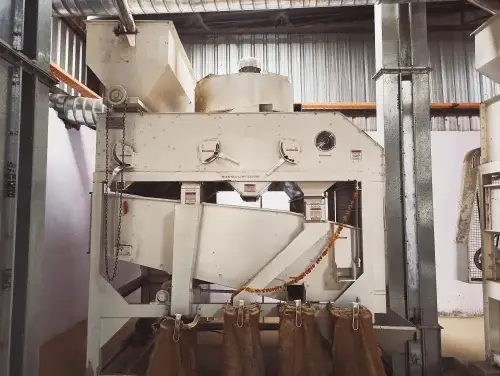
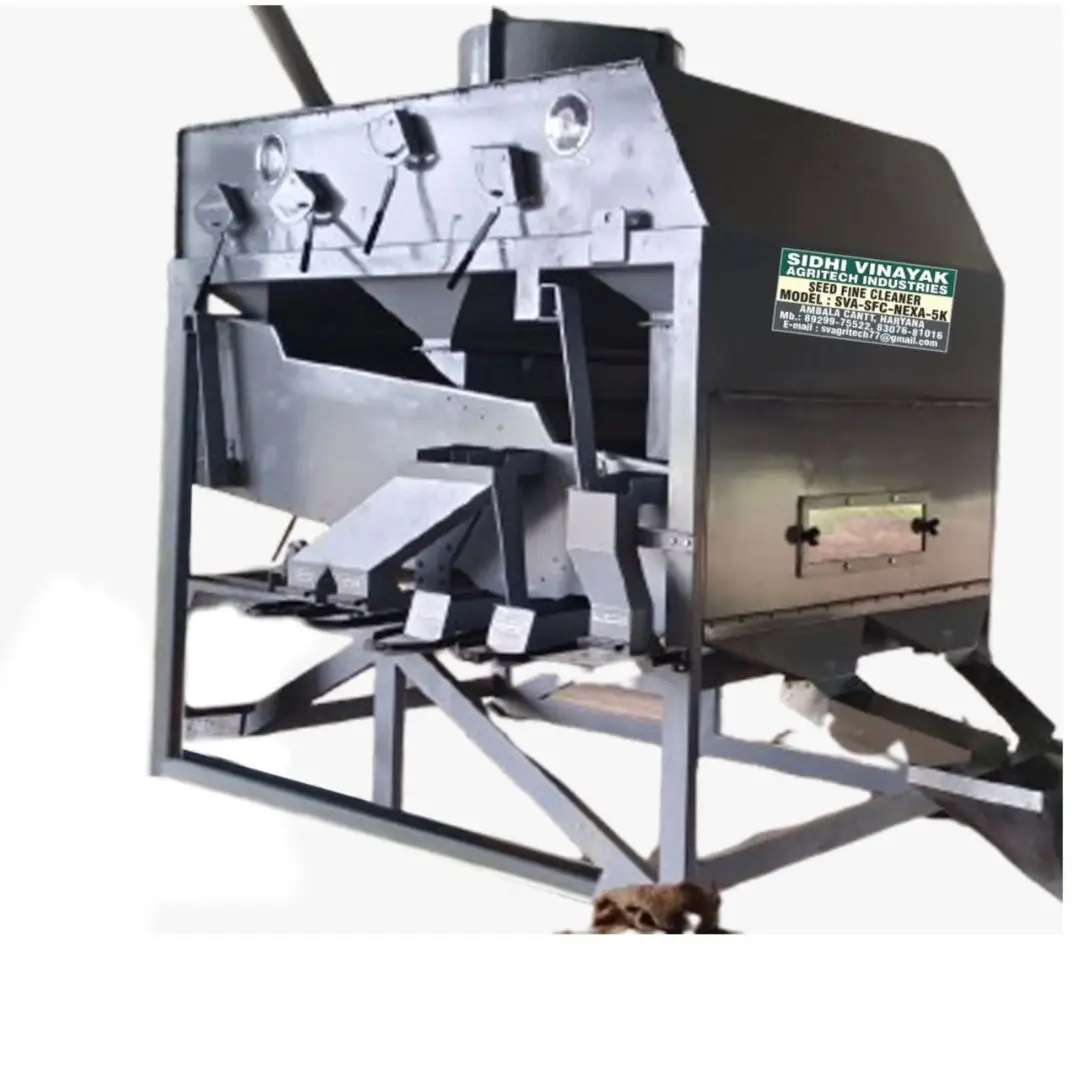
Seed Cleaner Machine
Removes dust, chaff, and foreign materials through air aspiration and screening systems.
Seed Grader Machine
Classifies seeds based on size and shape to achieve uniformity.
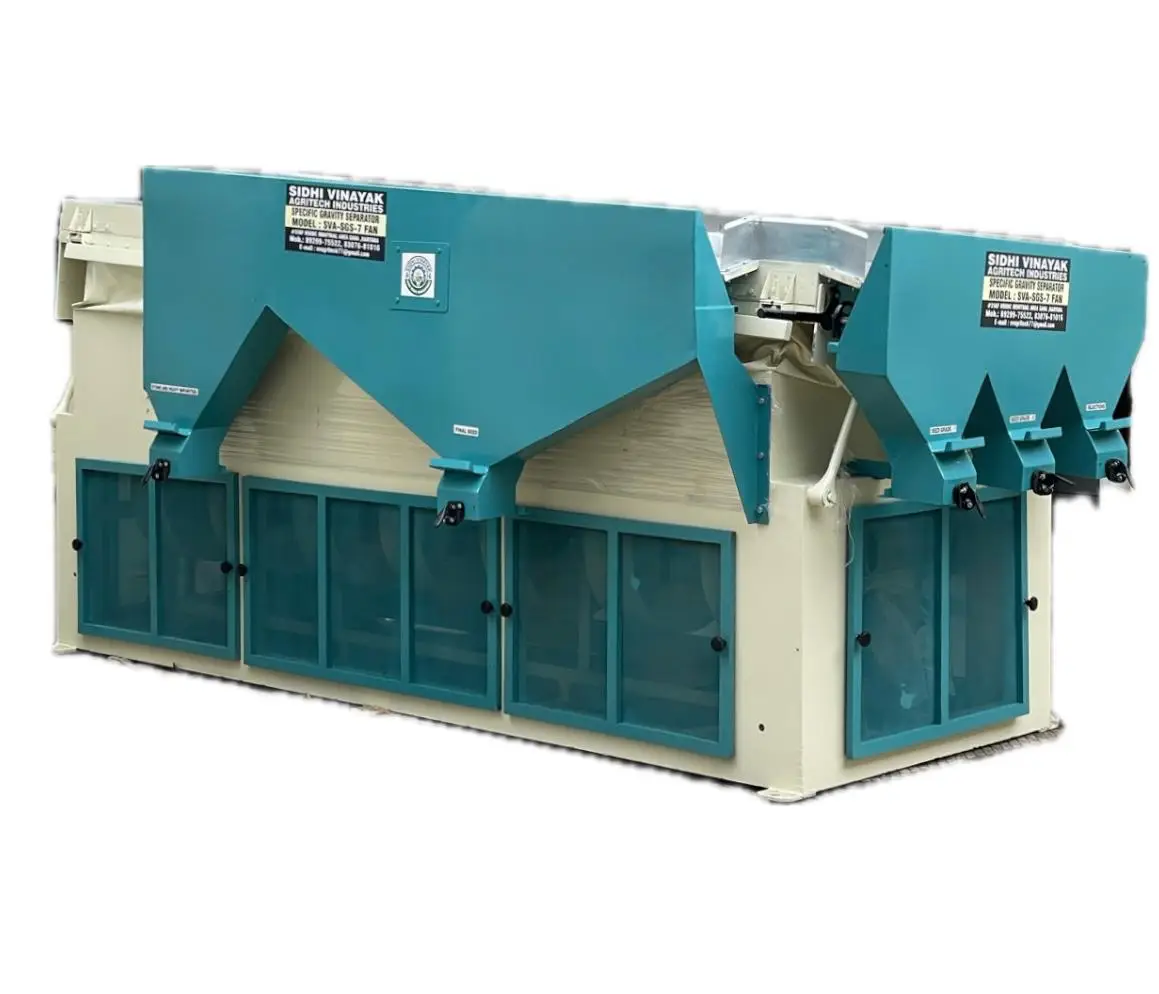
Gravity Separator
Separates seeds according to density and removes damaged or immature seeds.
Destoner Machine
Removes stones, sand, and heavy impurities from seed lots.
Indented Cylinder Separator
Separates seeds based on length differences.
Color Sorter Machine
Uses optical technology to remove defective or discolored seeds.
Seed Treatment Machine
Applies protective chemicals or biological agents to processed seeds.
Benefits of Using Advanced Seed Processing Equipment
Investing in modern seed cleaning and grading machinery offers numerous advantages.
Higher Seed Quality
Advanced equipment ensures maximum purity and uniformity.
Increased Productivity
Automated systems process large volumes efficiently.
Reduced Labor Costs
Automation minimizes manual handling and operational expenses.
Better Germination Rates
Healthy and graded seeds perform better in the field.
Compliance with Standards
Processed seeds meet certification and quality requirements.
Higher Profitability
Premium-quality seeds command better market prices.
Applications of Seed Cleaning and Grading
Seed cleaning and grading systems are widely used for:
Cereal Crops
Wheat
Rice
Maize
Barley
Pulses
Chickpeas
Lentils
Peas
Green gram
Oilseeds
Mustard
Sunflower
Soybean
Groundnut
Vegetable Seeds
Tomato
Onion
Cabbage
Carrot
Forage and Grass Seeds
Alfalfa
Clover
Fodder crops
These industries rely heavily on efficient seed processing for quality assurance.
Best Practices for Seed Cleaning and Grading
To achieve optimal results, follow these best practices:
Use properly calibrated equipment.
Regularly inspect screens and separators.
Maintain machinery according to manufacturer guidelines.
Monitor moisture content before processing.
Train operators on machine settings.
Conduct routine quality checks.
Store processed seeds in controlled environments.
Implementing these practices improves efficiency and seed quality.
Conclusion
Seed cleaning and grading are essential steps in producing high-quality seeds for modern agriculture. By removing impurities, separating damaged seeds, and ensuring uniformity, these processes significantly improve germination, crop performance, and profitability.
With advanced seed processing equipment such as seed cleaners, graders, gravity separators, and color sorters, agricultural businesses can achieve superior seed quality while meeting industry standards. Investing in modern seed cleaning and grading technology not only enhances operational efficiency but also strengthens the reputation of seed producers in competitive markets.
For businesses seeking reliable seed processing solutions, advanced machinery from trusted manufacturers like SV Agritech Industries can help deliver exceptional seed quality and long-term success.