
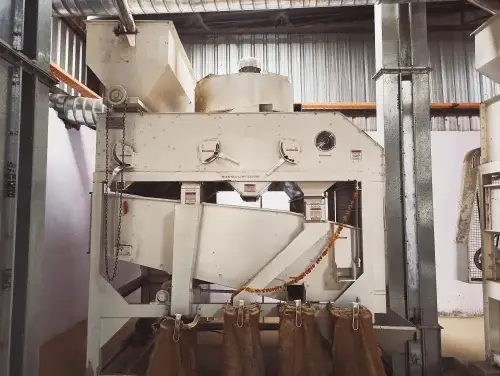
10 Benefits of Using Seed Grading Machines in Modern Agriculture
10 Benefits of Using Seed Grading Machines in Modern Agriculture
Introduction
Agriculture has evolved significantly with the adoption of modern technologies designed to improve productivity, crop quality, and operational efficiency. One of the most important advancements in seed processing is the use of seed grading machines. These machines play a crucial role in separating seeds based on size, shape, weight, and quality, ensuring that only the best seeds are used for planting and commercial distribution.
Seed quality directly impacts germination rates, crop establishment, plant growth, and overall yield. Poor-quality seeds can lead to uneven crop growth, lower productivity, and financial losses for farmers. Seed grading machines help eliminate these challenges by providing uniform, high-quality seeds suitable for modern farming practices.
In this article, we explore the top 10 benefits of using seed grading machines in modern agriculture and why they have become essential equipment for seed processing industries.
What is a Seed Grading Machine?
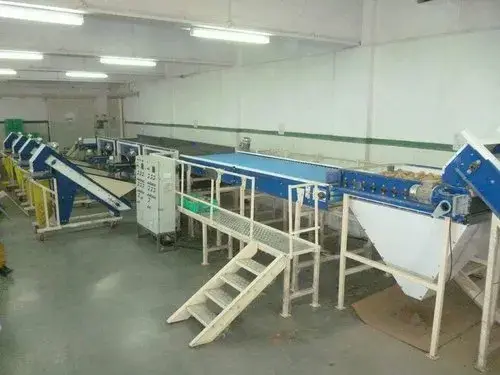
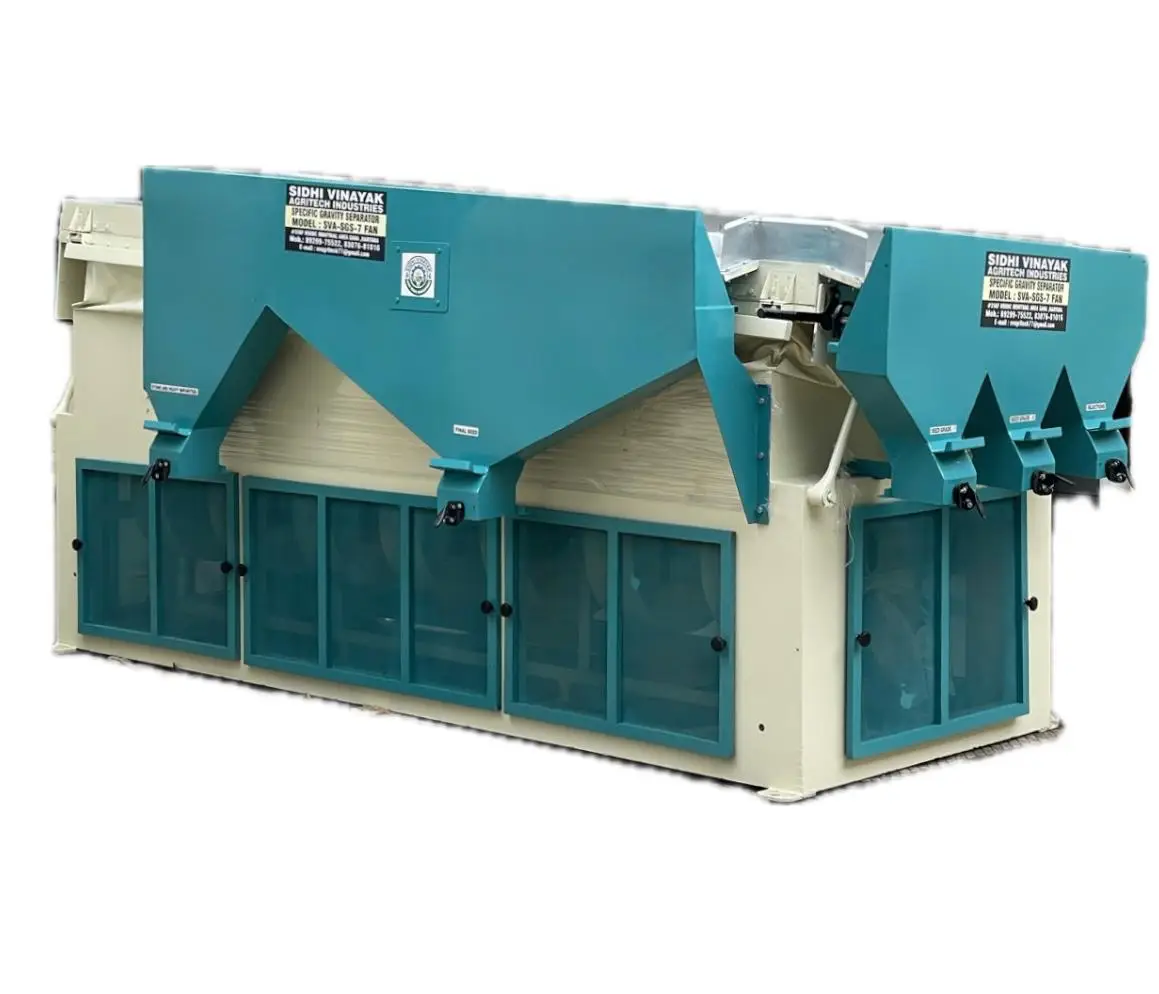
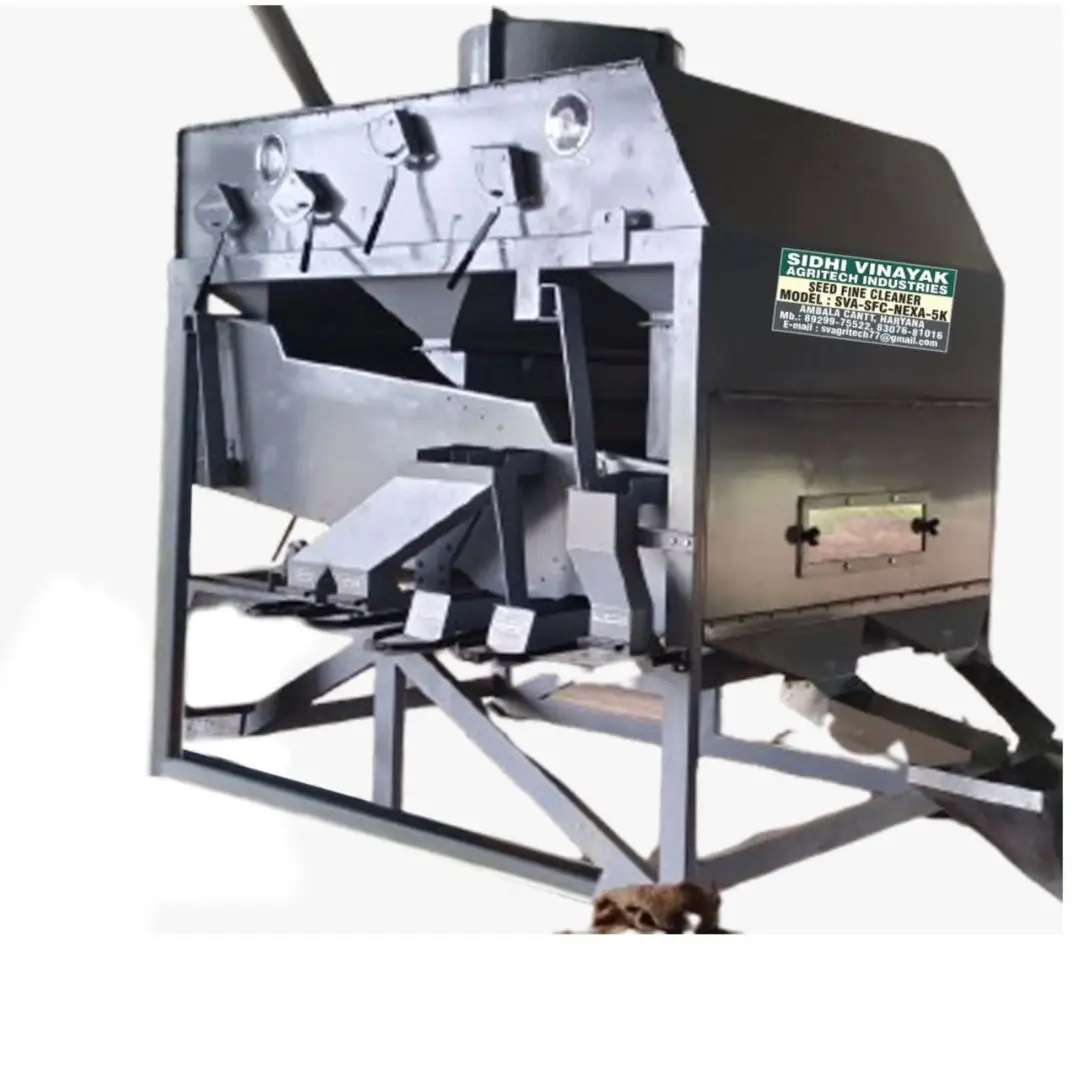
A seed grading machine is an agricultural processing machine designed to classify and separate seeds according to their physical characteristics, including size, shape, thickness, and weight. The machine removes undersized, oversized, damaged, and low-quality seeds, ensuring consistency in the final seed lot.
Seed grading machines are widely used for processing:
Wheat seeds
Paddy seeds
Maize seeds
Pulses
Oilseeds
Vegetable seeds
Grass and forage seeds
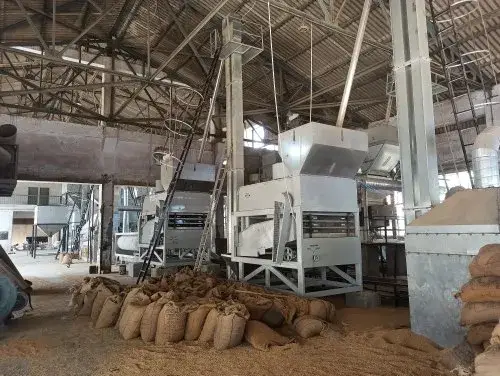
These machines are a vital part of modern seed processing plants and agricultural industries.
1. Improves Seed Quality
The primary benefit of seed grading machines is improved seed quality. The machine effectively removes damaged, broken, immature, and irregular seeds from the batch.
Higher-quality seeds result in:
Better germination
Stronger seedlings
Improved crop performance
Increased productivity
By ensuring only premium-quality seeds are selected, farmers can achieve better agricultural outcomes.
2. Enhances Germination Rates
Uniform and healthy seeds have a higher probability of successful germination. Seed grading machines separate weak and underdeveloped seeds that may fail to sprout properly.
Benefits include:
Faster germination
Uniform emergence
Strong root development
Healthy crop establishment
Improved germination directly contributes to higher crop yields and better farm profitability.
3. Ensures Uniform Seed Size
Modern planting equipment requires seeds of consistent size for accurate sowing.
Seed grading machines provide:
Uniform seed dimensions
Consistent planting depth
Proper seed spacing
Improved precision farming
Uniform seeds ensure efficient operation of seed drills and planting machines, reducing wastage and improving crop stand.
4. Increases Crop Yield
Seed quality is one of the most important factors affecting agricultural productivity.
When graded seeds are planted:
Plant growth becomes more uniform.
Competition among plants decreases.
Nutrient utilization improves.
Harvest quality increases.
As a result, farmers can achieve significantly higher crop yields compared to using ungraded seeds.
5. Reduces Seed Wastage
Ungraded seed lots often contain damaged and non-viable seeds that occupy storage space and increase planting costs.
Seed grading machines help:
Remove defective seeds
Reduce planting losses
Improve seed utilization efficiency
Lower operational expenses
This leads to better resource management and increased profitability.
6. Improves Market Value of Seeds
Seed companies and processing units must meet strict quality standards to remain competitive.
Graded seeds offer:
Higher purity levels
Better appearance
Consistent quality
Improved customer satisfaction
Premium-quality seeds command higher prices in the market, generating greater returns for seed producers and distributors.
7. Supports Seed Certification Standards
Certified seeds must meet specific requirements related to purity, size, germination, and quality.
Seed grading machines assist in:
Achieving certification standards
Maintaining quality consistency
Meeting regulatory requirements
Improving brand reputation
Compliance with certification standards increases market acceptance and trust among buyers.
8. Enhances Storage Performance
Seeds of uniform size and quality are easier to store and maintain.
Benefits include:
Reduced moisture variation
Lower risk of spoilage
Better ventilation during storage
Extended shelf life
Properly graded seeds retain their viability for longer periods, reducing post-harvest losses.
9. Increases Operational Efficiency
Manual seed sorting is time-consuming, labor-intensive, and often inaccurate.
Modern seed grading machines provide:
High processing capacity
Faster operations
Reduced labor requirements
Consistent performance
Automation allows seed processing plants to handle large volumes efficiently while maintaining superior quality standards.
10. Supports Modern Precision Agriculture
Precision agriculture relies on accurate planting, resource optimization, and data-driven farming practices.
Seed grading machines contribute by providing:
Uniform seed lots
Improved planting accuracy
Better crop management
Consistent field performance
These benefits align perfectly with modern farming methods focused on maximizing productivity and sustainability.
Applications of Seed Grading Machines
Seed grading machines are extensively used in:
Cereals
Wheat
Rice
Maize
Barley
Pulses
Chickpeas
Lentils
Green gram
Black gram
Oilseeds
Mustard
Soybean
Sunflower
Groundnut
Vegetable Seeds
Tomato
Onion
Cabbage
Carrot
Forage Crops
Alfalfa
Clover
Grass seeds
Their versatility makes them an indispensable component of modern seed processing facilities.
Choosing the Right Seed Grading Machine
When selecting a seed grading machine, consider:
Seed type
Processing capacity
Accuracy requirements
Energy efficiency
Ease of maintenance
Automation level
Investing in high-quality equipment from trusted manufacturers ensures reliable performance and long-term operational benefits.
Conclusion
Seed grading machines have become an essential part of modern agriculture due to their ability to improve seed quality, enhance germination, increase crop yields, and support precision farming practices. By removing defective seeds and ensuring uniformity, these machines help farmers and seed processors maximize productivity while reducing costs and wastage.
As agriculture continues to embrace technological advancements, the demand for efficient seed grading solutions will continue to grow. Investing in advanced seed grading machinery is not just a step toward better seed quality—it is an investment in higher agricultural productivity, improved profitability, and sustainable farming success.
For reliable and high-performance seed grading machines, SV Agritech Industries offers advanced seed processing solutions designed to meet the evolving needs of modern agriculture.